The story of Belgian lace, from gossamer thread to golden legend, and the long, painful unravelling that followed.
There was a moment, when I was standing in the Fashion and Lace Museum in Brussels, when the sheer audacity of it all became difficult to absorb. Behind the glass were collars, cuffs, altar cloths, and flounces so intricate that they barely seemed made by human hands. Threads finer than a strand of hair, twisted and interlaced into patterns of impossible delicacy. And the knowledge that each one of these pieces may have taken a single woman a YEAR to complete.
For over four centuries, Belgian lace represented the pinnacle of European luxury. It was a textile so precious that aristocrats paid more for it by weight than gold. In the workshops of Brussels, Bruges, Mechelen, and dozens of Flemish villages, lacemakers transformed simple linen thread into gossamer masterpieces that became symbols of wealth, power, and exquisite taste. The courts of Spain, France, England, and the Habsburg Empire could not get enough of it. Diplomats carried it as gifts between sovereigns. Noblemen wore it at their throats and wrists as casually as we might wear a good watch today.
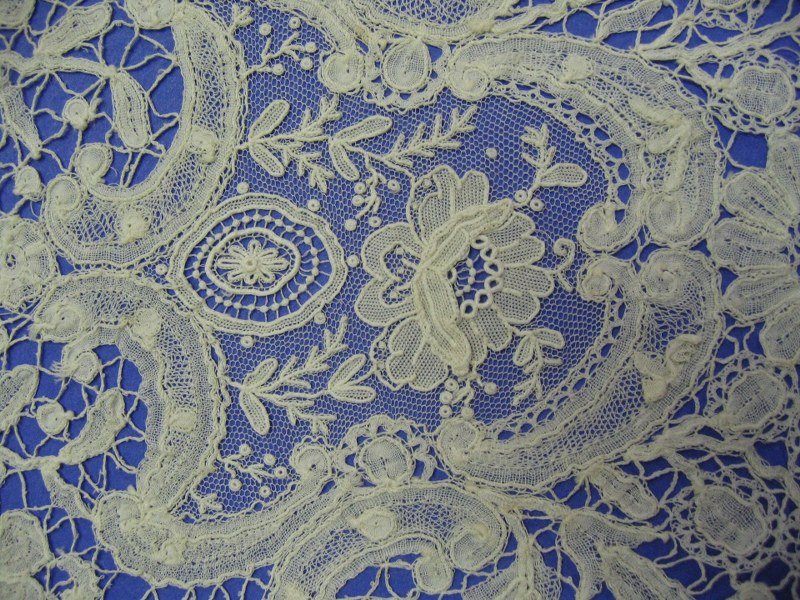
But this is also a story of radical inequality, industrial disruption, and slow decline. The women who produced this wearable art – and it was almost always women – did not live in the luxury they helped to create. They sat in damp cellars straining their eyes by candlelight for wages that barely sustained them. When the machines came, in the 19th century, their world collapsed faster than anyone had anticipated. What emerged from the wreckage was something smaller, more fragile, and infinitely more poignant. It was a craft held together by a dwindling community of practitioners, fighting for survival.
This is the full story of Belgian lace. I cover its glittering origins to its industrial undoing, and the precarious afterlife it inhabits today. I hope you find it as interesting to read as I did to research.
The birth of a craft: Flanders and the 16th century
Lace did not spring fully formed from the Flemish imagination. It emerged, as most great innovations do, from a convergence of existing traditions, available materials, and the right social conditions. The art of lace-making appears to have developed almost simultaneously in two regions in the early 16th century. The Low Countries (broadly what is now Belgium and the Netherlands) and northern Italy, particularly Venice and Milan.
Early evidence is fragmentary. One Italian claim cites a will from 1493 belonging to a member of the Milanese Sforza family. A Flemish claim points to lace depicted on the alb of a worshipping priest in a painting by Hans Memling from around 1485. What is clear is that by the 1520s, pattern books for lace-making were circulating across Europe, first from Venice and then from Flemish designers, and the craft was spreading rapidly.
In Flanders, the art found particularly fertile ground. The region had a long, sophisticated history in textiles. Bruges had been the epicentre of Europe’s textile trade since the 13th century. Its strategic coastal position made it a hub for cloth arriving from England and across the continent. The infrastructure of yarn merchants, skilled weavers, and established trade networks was already in place. When lace arrived, it was absorbed into this existing ecosystem with remarkable speed.
By the middle of the 16th century, lace-making had become a structured industry. Charles V decreed that the craft should be taught in schools and convents across the Belgian provinces. What began as a means of giving poor households a source of income quickly evolved into something more commercially significant. Lace schools proliferated. Girls were trained from as young as five or six in the painstaking skills that the finest work demanded. The church, the nobility, and the merchant class all became invested in the industry’s growth.
Brussels and Bruges: Two cities, two traditions
Within this flourishing industry, two cities came to define the art form. Brussels and Bruges emerged as the undisputed capitals of European lace-making by the 16th century. Each developed a distinctive style that became synonymous with a different aspect of luxury.
Brussels lace, known as point de Bruxelles, was the more aristocratic of the two. Worked in needle lace (using a single needle and thread rather than bobbins), it was celebrated for its extraordinary delicacy and its intricate floral patterns. It often featured a distinctive raised effect that gave the design an almost three-dimensional quality. A single square inch could take a skilled lacemaker weeks to complete. The most elaborate pieces, such as an altar cloth or a court gown trimmed with deep flounces, might represent years of continuous work.

Brussels also pioneered a distinctive technical approach. Rather than creating a single continuous piece, its lacemakers worked motifs separately. These were assembled, using a fine mesh ground called drochel. This allowed for extraordinary intricacy and meant that the finest sections could be entrusted to the most skilled hands. The result was lace of unmatched refinement, and of breathtaking expense.
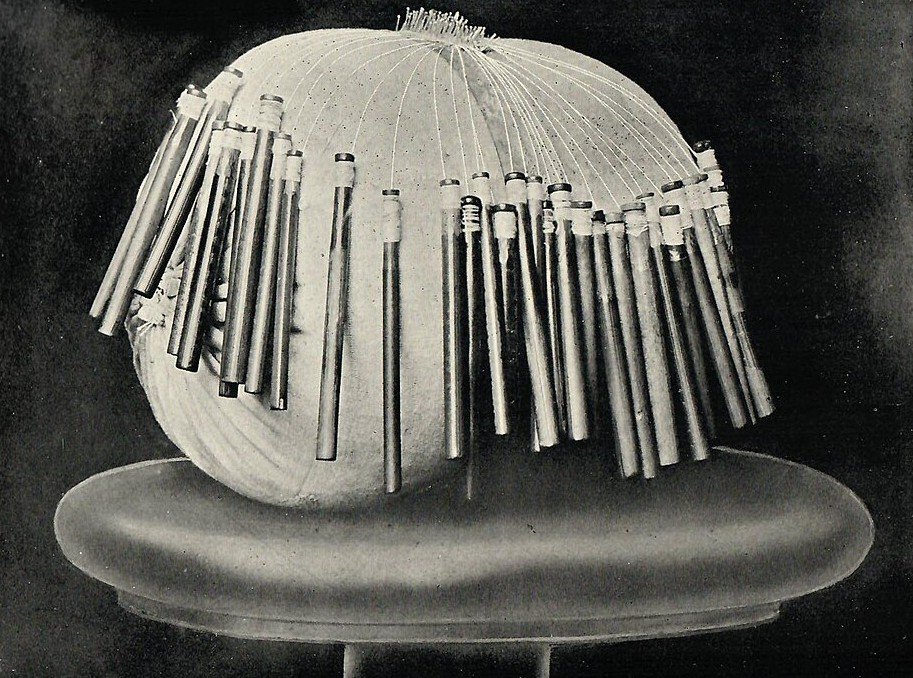
Bruges took a different path, specialising in bobbin lace. Here, dozens or even hundreds of bobbins were wound with thread and manipulated across a pillow, crossing and twisting in patterns dictated by a pricked design on parchment. The method was technically complex in different ways, demanding spatial memory, speed, and absolute consistency of tension. Bruges developed its own distinctive motifs, such as the famous ‘Bruges flower’, and produced lace so fine it earned the name toile d’araignée, spider’s web.
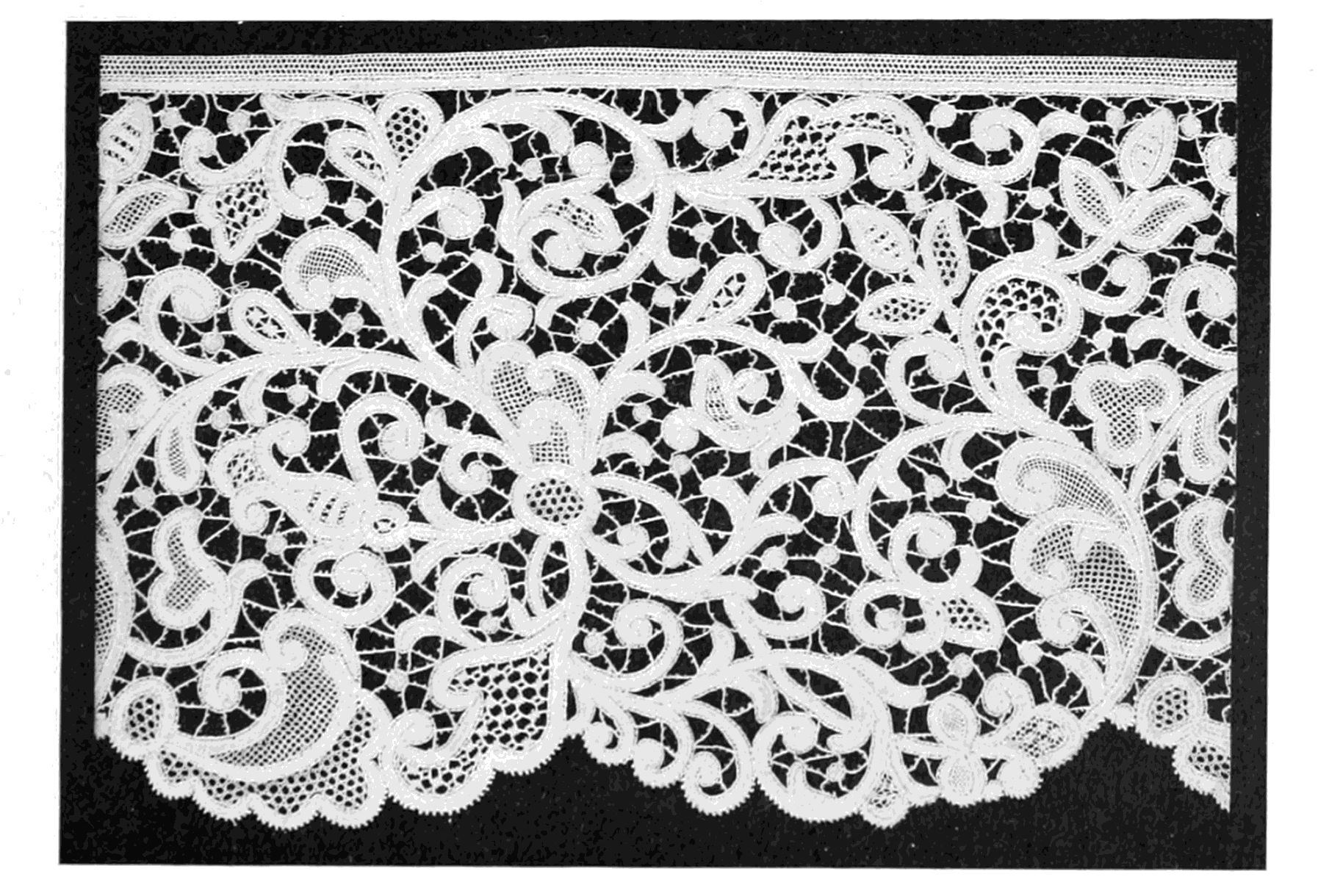
Beyond these two centres, a wider ecology of lace-making towns flourished across Flanders. Mechelen (Mechlin) was renowned for its distinctive silky ground with a characteristic shimmer, achieved by surrounding the cloth-stitch motifs with a thicker gimp thread. Binche, Valenciennes (then part of the same Flemish cultural sphere), and a dozen other towns each developed their own signatures. The rivalry between these centres was fierce, and it drove continuous innovation. Rigorous guild systems jealously guarded techniques; apprenticeships lasted seven years or more. The result was a culture of relentless improvement that kept Belgian lace at the forefront of European fashion for nearly two centuries.
The material: Flax, thread, and the Flemish climate
Behind the artistry lay a practical foundation that was rarely remarked upon but was absolutely essential: the thread. Before cotton became widely available in the 19th century, the finest Belgian lace was made exclusively from linen. It was spun from flax, a plant that thrives in the cool, damp climate of Flanders.
This was not ordinary linen. The finest flax from specific parts of Flanders produced thread of extraordinary fineness, strength, and smoothness. Achieved through a laborious process of retting (soaking the flax stalks to loosen the fibres), beating, combing, and spinning, the best Flemish linen thread was so fine that it was virtually invisible to the naked eye. It could be drawn through the eye of a needle with ease. Yet it possessed the tensile strength to survive thousands of crossings, twistings, and manipulations.
This thread had other qualities that made it uniquely suitable for the highest-quality lace. It took starch well, allowing finished pieces to hold their shape and crispness through repeated laundering. In light, linen’s subtle sheen accentuated relief and shadow, making floral forms and geometric patterns appear to float. It was also stable in temperature and humidity. This was an important consideration when a single thread break could destroy months of work.
The conditions in which lace was made were calibrated around these material properties. The famous image of Flemish lacemakers working in dim, damp cellars was not romantic mystification, it was practical necessity. The natural humidity of below-ground spaces kept thread supple and workable, dramatically reducing the risk of breakage. The consistent temperature prevented the tiny expansions and contractions that would distort a pattern worked over many months. And the dim light, supplemented by a candle placed inside a water-filled glass globe that diffused and concentrated its beam, was actually better suited to the white thread than direct sunlight, which would bleach the thread and make individual strands impossible to distinguish.
The physical toll on the workers was severe. Working for twelve to fourteen hours a day in these conditions, bent over a pillow at close range, most lacemakers suffered serious eye problems, chronic back pain, and debilitating arthritis well before middle age. The body was consumed in the service of the art.
For a detailed look at flax, check out my complementary post: “The Story of Flax: 2000 Years of Fields and Fibre.”
The art of design: Pattern books and the artist-lacemaker relationship
It would be a mistake to think of Belgian lace simply as a handicraft; a technically demanding but essentially mechanical process. At its highest levels, Belgian lace was also an art form. It was shaped by the same aesthetic currents that were moving through painting, architecture, and the decorative arts.
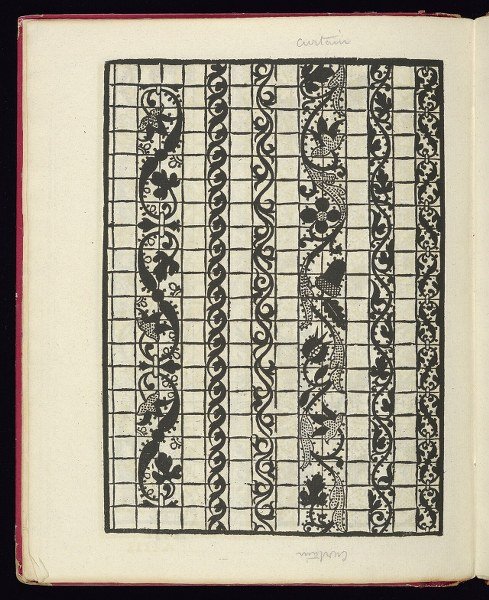
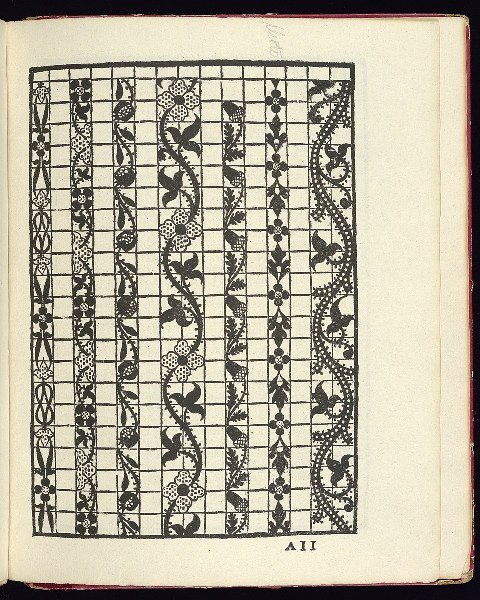
The link between the visual arts and lace-making was made concrete through the pattern book. Beginning in the 1520s in Venice and quickly adopted by Flemish designers, pattern books were collections of engravings showing designs that lacemakers could interpret into thread. The first examples were largely geometric, reflecting the influence of Islamic decorative art and the rigorous symmetry that early lace techniques required. But as the century progressed, the patterns grew more ambitious to include natural motifs, figurative scenes, and baroque flourishes.
The pattern-book trade was a significant industry in its own right. Artists like Vinciolo, who worked in Brussels, created elaborate engravings specifically designed for lace. The relationship between artist and lacemaker was deeply symbiotic. The artist had to understand the technical constraints of lace construction (a beautiful design that couldn’t maintain its structural integrity in fabric was worthless), while the lacemaker needed artistic vision to translate a flat engraving into a three-dimensional textile sculpture. The best pattern books were precious objects, passed down through generations of lacemaking families as trade secrets and competitive advantages.
The photos below are three pages from an 1884 lace pattern book (Photo unknown / Wikimedia Commons CC BY-SA 4.0).

This artistic collaboration had another consequence: it ensured that Belgian lace evolved continuously with European fashion. When Baroque tastes demanded heavier, more architectural forms, lace patterns responded. Rococo sensibility then arrived with its preference for lightness, delicacy, and S-curves, the designs lightened and curled. When neoclassicism swept through European taste in the later 18th century, lace patterns grew more restrained and geometric. Belgian lacemakers were not isolated craftspeople working in a vacuum; they were embedded in the visual culture of their time, producing work that was in genuine conversation with the broader aesthetic moment.
Gold beaten Into thread: The economics of luxury
To understand why Belgian lace occupied the position it did at the apex of European luxury, it is necessary to understand its economics; specifically, the extraordinary concentration of human labour that each piece represented.
A skilled lacemaker, working twelve to fourteen hours daily, might spend six months to two years completing a single collar or border, depending on its complexity. The most elaborate pieces – altar cloths, court gowns with deep lace flounces, full sets of sleeve ruffles and jabots – could represent tens of thousands of hours of meticulous work by multiple artisans. When you purchased Belgian lace at the height of its glory, you were not simply buying a decorative object. You were buying years of human life, transformed into thread.
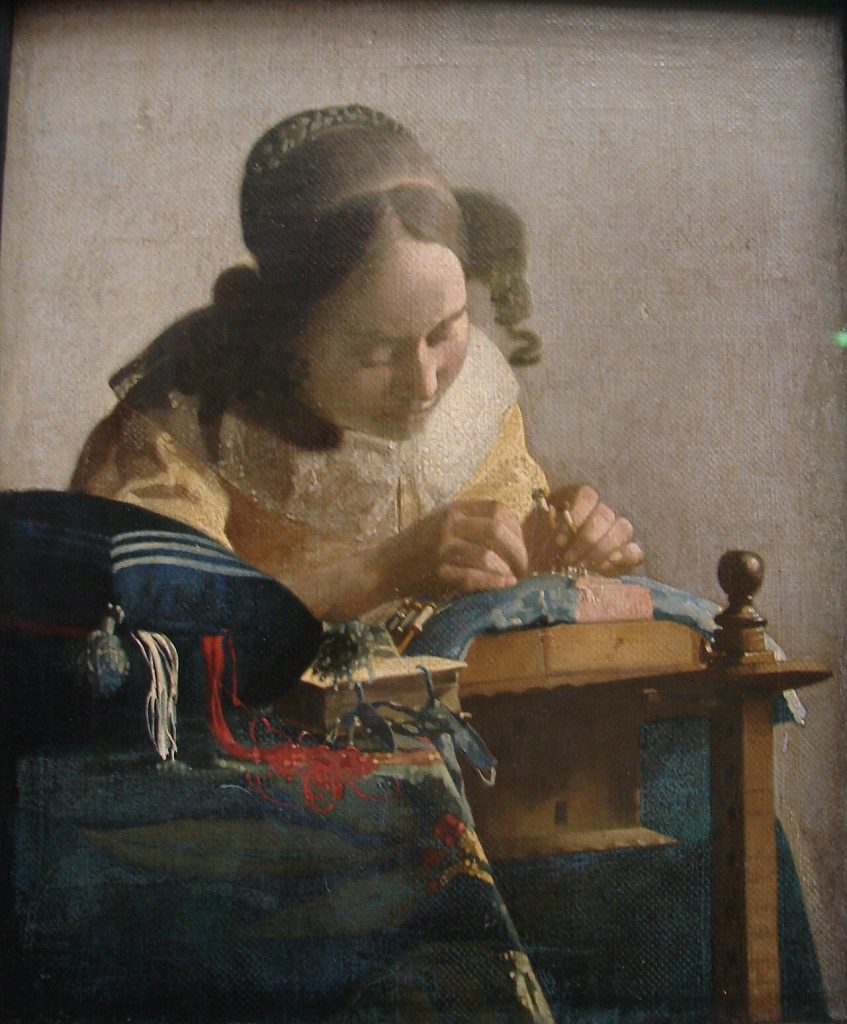
This extraordinary investment of time and skill, combined with an aristocratic demand that consistently exceeded available supply, created prices that literally outpaced precious metals. Contemporary accounts confirm that the finest Belgian lace sold by weight for more than gold. A single collar might cost more than a labourer would earn in a lifetime. The lace adorning a court gown represented a fortune in its own right.
The social structure of the industry reflected this concentration of value. At the bottom were the lacemakers themselves. They were women and girls, working at home or in lace schools, receiving piece-rates that bore very little relationship to the hours involved. Above them were the merchants and dealers They supplied the thread, distributed the patterns, collected the finished work, and controlled access to the market. At the top were the great luxury houses and court dressmakers who assembled the final garments and accessories. The lacemakers who created the value captured almost none of it.
The cottage-industry structure also shaped the geography of lace production. By the 18th century, lace-making had spread from the cities across the rural countryside of Flanders. Thousands of villages contributed to the industry, with women working in their homes between domestic tasks. By some estimates, as many as 150,000 women and girls were employed in the Belgian lace trade at the industry’s peak, making it one of the most significant sectors of the Flemish economy.
The clientele: Courts, clergy, and the language of status
Who bought this extraordinary product? The answer, through the 17th and 18th centuries, was essentially anyone who wanted to signal their place in the social hierarchy. This meant, above all, the courts of Europe.
Lace became, in this period, the visible currency of social standing. At the court of Louis XIV, who controlled the most influential fashion ecosystem in Europe, elaborate lace collars, cuffs, cravats, and jabots became as obligatory as any other element of court dress. Portraits of rulers, nobles, and high clergy from this era teem with frothy white lace. The complexity and quality of the lace you wore telegraphed your wealth, your connections, and the sophistication of your taste.
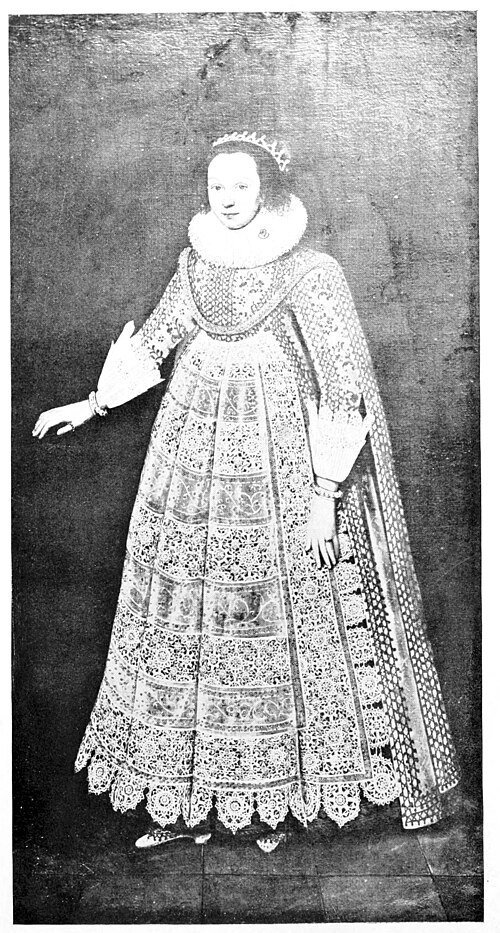
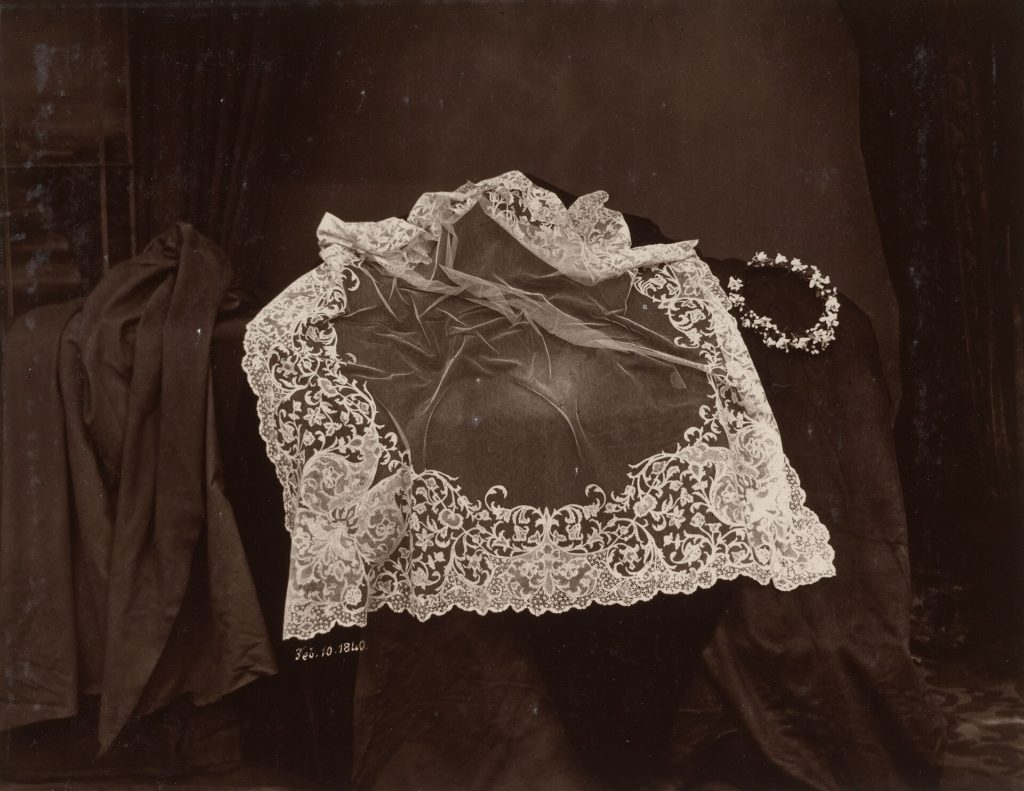
Royal patronage was particularly significant. Marie Antoinette was an enthusiastic collector of fine lace, and her taste for elaborate floral patterns influenced design across Europe during the 1770s and 1780s. When she later shifted to simpler ‘scattered pea’ patterns, designers adjusted accordingly. The power of royal taste to direct an entire industry was absolute. When Queen Victoria wore a magnificent Brussels lace wedding dress in 1840, she sent an unmistakable signal about the enduring prestige of the craft, and generated immediate demand.
Diplomatic gifting was another crucial market. Lace travelled as a prestige token between courts, reinforcing alliances and expressing the esteem in which one sovereign held another. The records of diplomatic exchanges in the 17th and 18th centuries are full of spectacular lace gifts. A set of Brussels lace might be as significant a diplomatic gesture as a formal treaty.
Below the courts, the wealthy urban elite (merchants, magistrates, professionals) sustained a broader market for mid-grade lace. The church was a steady institutional client, purchasing lace for albs, rochets, and altar frontals throughout the year. These ecclesiastical commissions provided a reliable baseline of demand that insulated the industry somewhat from the fluctuations of secular fashion. In an era of Baroque religious display, no church of any pretension could afford to celebrate the mass without fine lace.
Detachable, pawnable, portable: Belgian lace as investment
One of the cleverest innovations in the history of Belgian lace was entirely practical: the detachable trim. Rather than sewing lace directly into a garment, where it would be subjected to rough laundering and periodic refashioning, the most valuable pieces were designed to be attached and removed. They could be stitched onto bands or secured with fine ties that allowed them to be separated from their supporting fabric.
This served multiple purposes. It allowed for careful laundering: fine lace required soaking, gentle pressing, and starching to restore its crispness, a process incompatible with washing an entire garment. It multiplied a piece’s versatility: the same lace could adorn different gowns, coats, or ecclesiastical vestments, adapting to different seasons and occasions. And it preserved its value as a portable asset.

In an era when even the wealthiest households were not immune to financial reversals, lace functioned as a liquid store of value. Inventories and wills from the 17th and 18th centuries list lace alongside silver plate, jewels, and property. Lace could be pawned in lean times and redeemed later. It could be bequeathed, traded, and resold. Storage boxes (‘bandboxes’) were designed specifically to protect starched lace pieces from dust and crushing. The care taken with these objects reflected their status not just as fashion accessories but as genuine financial instruments.
The practice of detachment also drove a secondary industry. Laundering fine lace was a specialist skill, and women who specialised in it were well paid. Repairing damaged lace was another niche trade. The lace economy reached far beyond the makers themselves.
The perfect storm: Industrial revolution and the collapse of a world
The crisis, when it came, arrived from Nottingham, England.
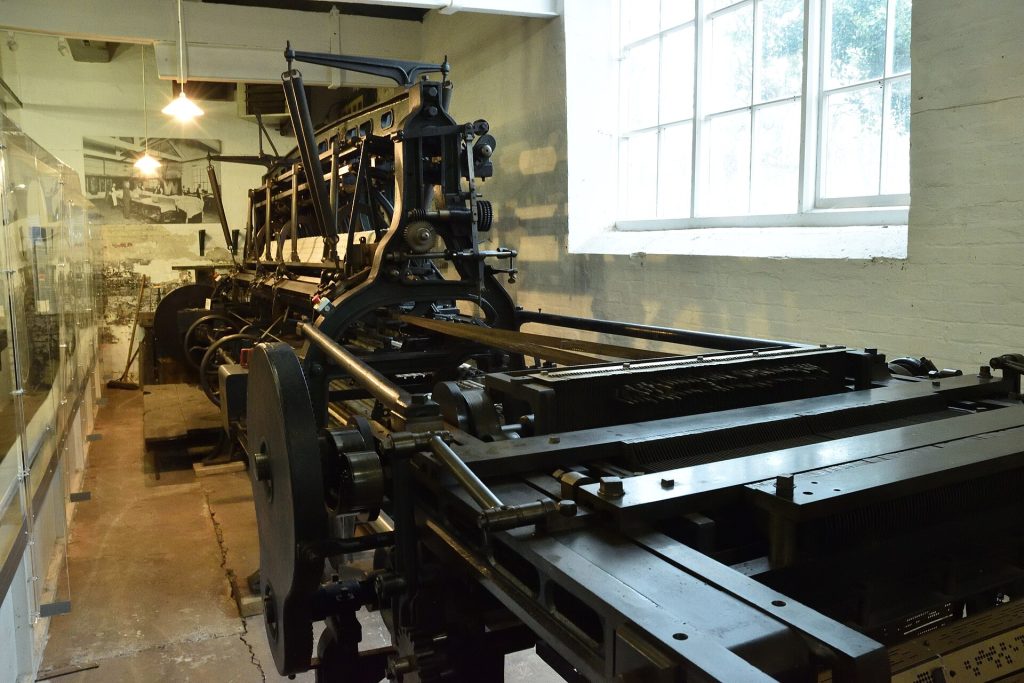
In 1808, an English engineer named John Heathcoat invented the bobbin-net machine, a device capable of producing a net-like mesh background – the foundation of lace – mechanically and at staggering speed. Subsequent improvements through the 1810s and 1820s refined the machine’s output and extended its capabilities. By the 1830s, English factories in Nottingham were producing machine-made lace in industrial quantities, flooding European markets with a product that middle-class buyers could afford.
The impact on Belgian lacemakers was catastrophic. Machine lace could not, in the early decades, replicate the finest handmade work. The gossamer quality of point de Bruxelles or the intricate raised designs of the best bobbin lace remained beyond mechanical possibility. But it satisfied the mass market. The middle classes who had previously aspired to (but could rarely afford) genuine Belgian lace could now purchase machine-made alternatives at a fraction of the price. The democratisation of lace was real, but it came at the direct expense of the people who had made lace by hand.
Lace machines could produce fabric up to 6,000 times faster than a human worker. Against that differential, no amount of craft skill could compete on price. The economic model that had sustained Belgian lacemaking, namely, expensive labour producing an expensive product for an exclusive market, suddenly made no sense. The exclusive market was shrinking as fashion shifted away from the elaborate lace of the Baroque and Rococo periods; the non-exclusive market had been captured by the machines. Belgian lacemakers found themselves caught between the two.
The numbers tell the story starkly. At the industry’s peak, an estimated 150,000 women and girls were employed in Belgian lace-making. By the 1860s, that figure had collapsed to fewer than 50,000. Entire communities that had depended on lace for their primary income faced mass unemployment and destitution. Towns in West and East Flanders, already suffering from the simultaneous collapse of the linen industry under British competition, entered a period that contemporaries would later call the ‘Flanders Hell’: overpopulation, underemployment, poverty, and misery on a scale that shocked even the hardened social observers of the period.
The Belgian government and charitable organisations launched rescue efforts. Lacemaking schools were funded and supported, not primarily to train new workers for a competitive industry but to preserve techniques and provide some income for women who had no other skills. Cooperatives were established to market genuine handmade lace as a heritage luxury product. Queen Elisabeth of Belgium, in 1911, gave her royal support to a group of prominent women who organised the ‘Amies de la Dentelle‘ (Friends of Lace) to campaign for better conditions in the schools and to revive interest in authentic handwork.
These efforts slowed the decline but could not reverse it. The lace schools themselves became the subject of bitter social controversy. Critics, including liberals, socialists, and feminist reformers, argued that the schools were exploiting their charges, training girls in a trade that offered no future while denying them the general education that would allow them to compete in the modern economy. The sociologist Guillaume de Greef launched a newspaper campaign in 1876 against the religious orders running the lace schools, arguing that they condemned their pupils to poverty, ill-health, and early death. The lace industry had become a battleground in the wider culture wars of 19th-century Belgium.
The human cost: Made by the poor for the rich
It is easy, surrounded by the beauty of surviving lace, to lose sight of the conditions in which it was made. The historian’s phrase is a useful corrective: for centuries, Belgian lace was produced by the poor for the rich.
The women who made it (and it was overwhelmingly women, though there are occasional records of men taking up the bobbin in desperate times) occupied the lowest rung of the economic ladder. Their skills were extraordinary; their rewards were not. Paid by the piece, working in conditions that systematically destroyed their health, they received a fraction of the value their labour created. The merchants who controlled the supply chain, the dealers who sold to the aristocracy, the nobles who wore the finished product: all captured far more of the surplus than the lacemakers themselves.
The working conditions were not merely uncomfortable, they were genuinely dangerous. The combination of poor light, close work, damp environments, and long hours produced characteristic occupational diseases. Eye problems were almost universal, with most lacemakers severely visually impaired well before old age. Spinal deformities from years of bending over the pillow were common.
The damp cellars that served the thread so well were hostile to human lungs; tuberculosis was endemic among lacemaking communities. A girl who began learning at the age of six might be physically broken by her mid-thirties.
The social investigations of journalists like August De Winne, who toured the lacemaking villages of Flanders in 1901 and published his findings as ‘Door arm Vlaanderen‘ (Through poor Flanders) revealed conditions that shocked even the relatively hardened readers of a socialist newspaper. In the rural interior of East and West Flanders, he found communities subsisting on sweated labour, their children working alongside them in conditions that echoed the worst industrial abuses of the factory system, except that no factory inspector had the authority to intervene in a cottage.
This dark underbelly of the Belgian lace industry has rarely been part of its public story. The museums celebrate the artistry, as they should. But to understand Belgian lace fully is to hold both things at once: the breathtaking beauty of the object, and the painful conditions of its creation.
What survived: Belgian lace in the 20th and 21st centuries
The First World War brought an unexpected chapter to the story. With much of Belgium under German occupation, lacemakers in both occupied and unoccupied areas turned to a new kind of work: war lace. These were pieces that incorporated the iconography of the conflict. Examples include names of places and people, portraits of Allied leaders, national symbols of the Allied nations and the nine Belgian provinces. They were sold to raise funds for the relief of Belgian civilians, and they found eager buyers in Britain and America. The Brussels Lace Committee, supported by Queen Elisabeth and led by a group of determined aristocratic women, coordinated the effort and channelled American relief funds into the purchase of lace from destitute lacemakers.
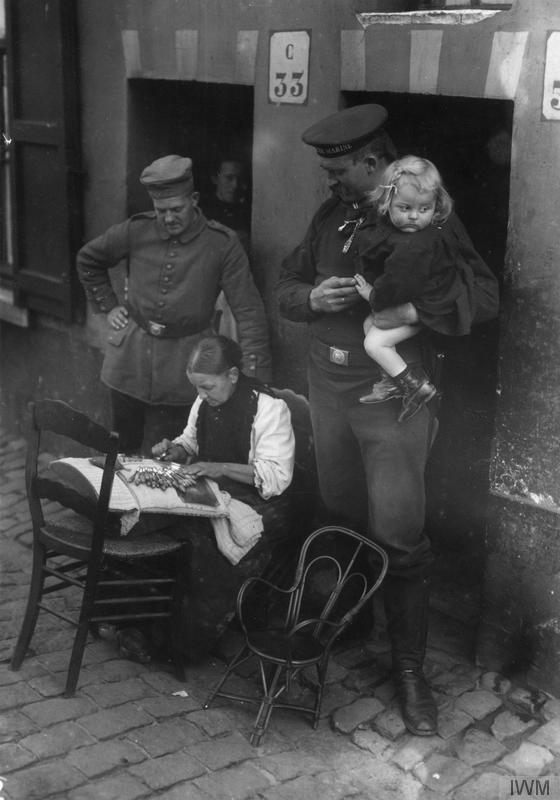
War lace was a small industry in economic terms, but it demonstrated something important: that Belgian lace could carry meaning beyond mere decoration. Pieces designed by artists including Fernand Khnopff transformed the medium into a vehicle for national sentiment and cultural memory. The craft survived the war diminished but intact.
Through the 20th century, Belgian lacemaking gradually transformed from a cottage industry into a heritage craft. The number of practitioners fell steadily. The youngest generation showed little interest in a skill that demanded years of training and offered minimal economic return. By the latter decades of the century, the active community of genuine handmade lacemakers had contracted to a few thousand. They were concentrated in Bruges, which had made lace-making part of its tourism identity, and in scattered villages where older women maintained the tradition they had learned from their mothers.
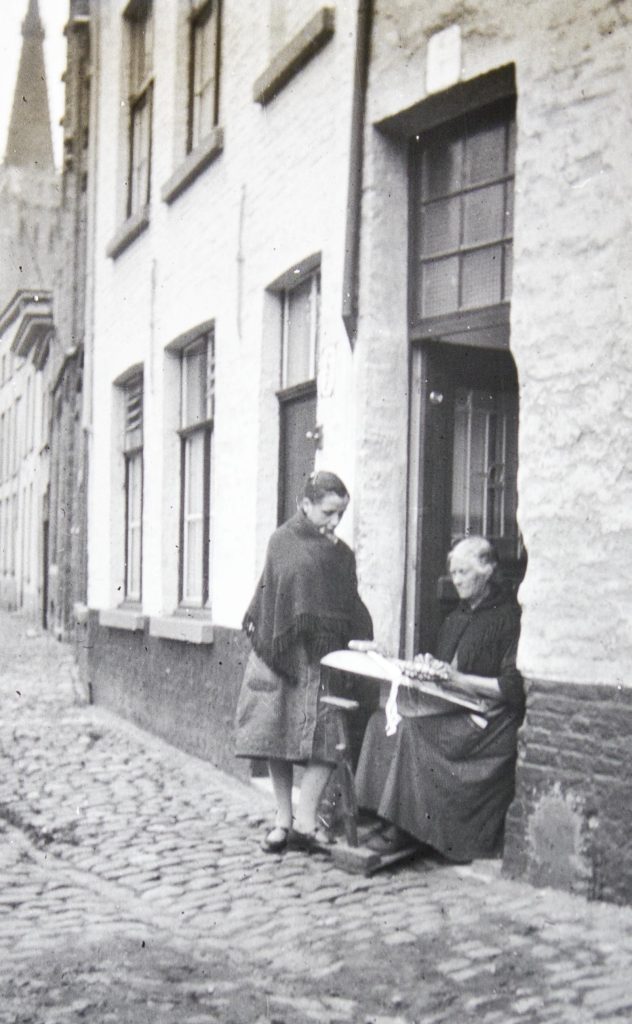
Today, the situation is precarious. Fewer than a few hundred master lacemakers remain in Belgium who can execute historical techniques at the highest level, and most are elderly. Young people rarely pursue lacemaking as a career because the economics remain as bleak as they were a century ago: thousands of hours of skilled labour for a piece that the market will value at a few thousand euros. The extremely fine linen thread that the finest work requires is no longer commercially produced in the qualities that master lacemakers need; small specialist suppliers maintain limited production at high cost. And the market is flooded with products labelled ‘lace’ that bear no relationship to traditional craftsmanship. These can be cheap machine-made fabric, or simplified ‘handmade’ pieces from Asia that use techniques incomparable to historical Belgian methods.
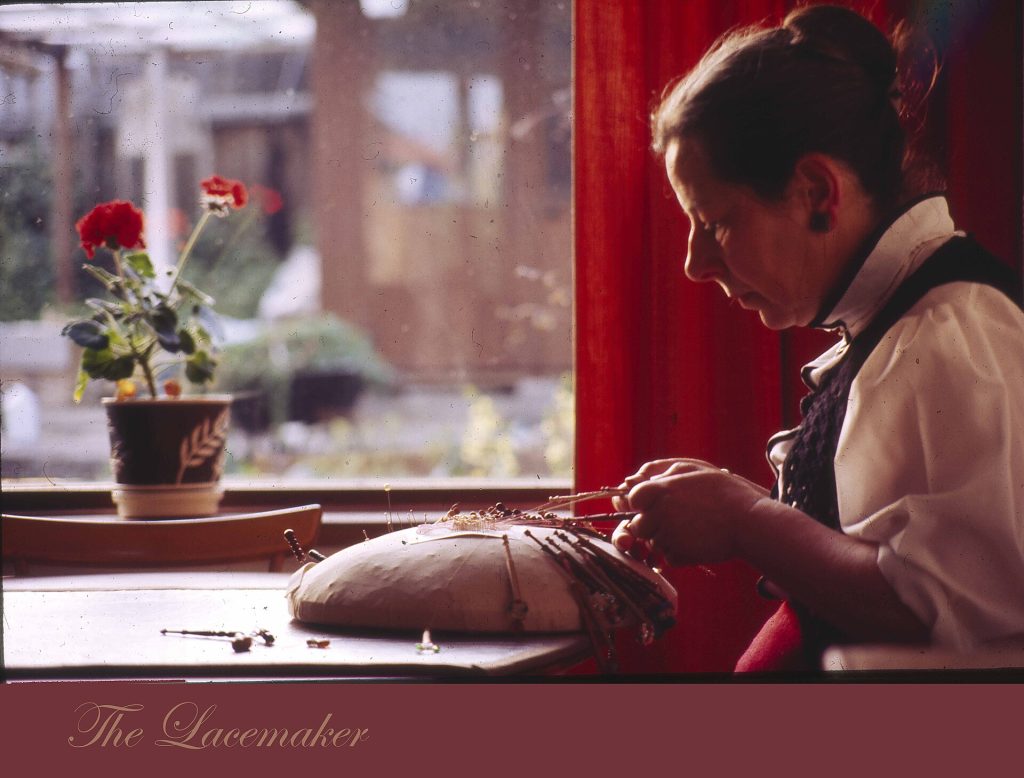
UNESCO recognition and museum preservation programmes help maintain awareness of the tradition, but they document it more than they sustain it. Belgian lacemaking risks becoming a museum artefact; something admired behind glass rather than practised in living communities. Whether the creative energy of contemporary textile artists who are experimenting with lace as a medium of artistic expression rather than commercial production can provide a path forward remains genuinely uncertain.
Where to see Belgian lace today
For those who want to encounter this heritage in person, Belgium offers several exceptional opportunities.
The Fashion and Lace Museum in Brussels (Musée Mode et Dentelle / Mode- en Kantmuseum), located in the historic centre near the Grand Place, houses Belgium’s most comprehensive lace collection of thousands of pieces spanning five centuries. The rotating exhibitions bring together historical masterpieces, working tools, pattern books, and technical documentation, alongside contemporary fashion that demonstrates lace’s continuing influence on design. This is the essential starting point for anyone serious about understanding the tradition.
In Bruges, two institutions complement each other beautifully. The Gruuthusemuseum, housed in a magnificent 15th-century merchant’s palace, presents extraordinary examples of Bruges bobbin lace alongside period furnishings that contextualise how lace functioned in wealthy households. The Lace Centre & Museum offers something more immediate: living demonstrations by master lacemakers working in traditional techniques, allowing visitors to watch the ancient craft in action. The centre also operates a lace school and sells authentic handmade work. Watching an experienced lacemaker handle three hundred bobbins with fluid, unhurried precision is one of those experiences that resets your sense of what human beings are capable of.
Beyond these centres, Antwerp’s MoMu (Fashion Museum) maintains an important collection, and regional museums across Flanders hold pieces that illuminate the local character of their particular lace traditions. Together, these institutions ensure that both the magnificent products and the extraordinary skills behind Belgian lace remain accessible; even as the living tradition that produced them quietly contracts.
Frequently asked questions
Is Belgian lace still made by hand today?
Yes, but in very small quantities and by a rapidly diminishing number of practitioners. Genuine handmade Belgian lace is still produced by master lacemakers, particularly in Bruges, and is available for purchase at institutions like the Lace Centre & Museum in Bruges.
Be aware that the vast majority of lace sold in Belgian tourist shops is machine-made or imported; authentic handmade pieces are significantly more expensive and usually come with documentation of their provenance.
What is the difference between needle lace and bobbin lace?
These are the two main techniques in Belgian lace-making. Needle lace (such as Brussels point de Gaze) is created using a single needle and thread, working from a pattern drawn on parchment or fabric. It allows for extraordinary three-dimensional detail and raised effects. Bobbin lace uses multiple threads wound on small wooden bobbins, which are crossed and twisted over a pillow following a pricked pattern. Bobbin lace excels at flowing, continuous designs and the creation of transparent grounds. Brussels was historically associated with both needle and bobbin lace; Bruges with bobbin lace specifically.
Why was Belgian lace so much more expensive than other luxury goods?
The cost derived almost entirely from labour. A skilled lacemaker working full days might produce only a few square centimetres of the finest work per week. A single collar could represent months or years of one person’s skilled labour. Unlike gold or jewels, there was no shortcut; no way to accelerate the process without compromising the quality. The finest Belgian lace was literally the most labour-intensive textile product that human beings have ever produced at scale.
Did the French Revolution damage the Belgian lace industry?
Yes, significantly. Owning lace during the French Revolution was dangerous. It was a public declaration of aristocratic wealth, and some nobles were targeted specifically because of their lace. The Revolution also wiped out much of the court-based patronage that had sustained the highest levels of the industry. The austere neoclassical fashions that followed the Revolution, involving simpler silhouettes and less ornate decoration, required less lace than the Baroque and Rococo styles they replaced. The Revolution did not destroy the industry, but it accelerated a fashion shift that was already beginning to erode its foundations.
Can I learn lace-making in Belgium?
Yes. The Lace Centre in Bruges is the most accessible entry point, offering demonstrations, workshops, and courses for beginners. Various cultural associations across Flanders also run classes. Bobbin lace is generally considered more approachable for beginners than needle lace; even so, genuine proficiency takes years to develop. If you are interested in learning, expect the early stages to be humbling. The skill is genuinely difficult, and the gap between watching an expert and producing acceptable work yourself is wider than it looks.
How can I tell genuine handmade lace from machine-made imitations?
This is genuinely difficult, even for experts. Some indicators: genuine handmade lace will show slight irregularities under magnification; the thread tension varies fractionally across a piece, producing subtle variations in the mesh that machine-made lace cannot replicate. The ground (background mesh) in handmade bobbin lace is typically more varied and organic in character. Price is also an indicator; authentic handmade Belgian lace is never cheap. If you are making a significant purchase, buy from a reputable dealer (such as the Lace Centre’s own shop) who can provide provenance documentation.
Further reading
For those wishing to explore the history of Belgian lace in greater depth, the following works provide excellent starting points across different levels of expertise and interest.
Books
Martine Bruggeman, Lace in Flanders: History and Contemporary Art (Lannoo, 2018): Probably the best single-volume introduction to the full sweep of the Belgian lace tradition, richly illustrated and combining historical depth with coverage of contemporary practitioners.
Charlotte Kellogg, Bobbins of Belgium (Funk & Wagnalls, 1920): A fascinating first-hand account of the Belgian lace industry during and after the First World War, capturing both the humanitarian dimension of war lace and the broader social conditions of lacemakers. Now in the public domain and available free via Project Gutenberg.
Pat Earnshaw, Lace in Fashion: From the Sixteenth to the Twentieth Centuries (Batsford, 1985): An authoritative overview of how lace functioned in European fashion across four centuries, with substantial coverage of Belgian types and their role in court culture.
Online resources
Lace in Context: An exceptionally well-researched academic blog exploring the social history of Belgian and European lacemaking, with particular attention to the conditions of workers and the political controversies surrounding the lace schools. Strongly recommended for those wanting to understand the industry’s darker history.
The Lacetypes website: An excellent technical reference for distinguishing between the different Flemish lace types (Mechlin, Binche, Valenciennes, Brussels, etc.), with photographs and historical context.
I hope you found this detailed article on the rise and fall of the Belgian lace industry useful. If you have been able to use it for an educational project, that’s great. Feel free to donate to the running of this ad-free blog if you did. Thank you. Any questions, just drop me a line. Denzil
I have written a companion piece on the rise and fall of the Medieval Flemish cloth industry that may also interest you.
Over to you!
Have you visited any of these lace museums? What was your experience? Or maybe you can recommend a particular lace shop? I’d love to hear from you. Leave a comment below, or drop me an email.

I created Discovering Belgium in 2011 to share the country’s hidden stories, fascinating places, and remarkable people. Through articles, photography, and audio walks, I share discoveries that reveal Belgium beyond the obvious. Hope you enjoy this site.
Denzil, what a fascinating history of the rise and fall of the Belgium handmade lace industry! Exquisite work. Great artistry. How tragic that the skill of these girls and women were exploited, forcing them into a life of poverty.
The echoes still resonate don’t they Rosaliene: Asian sweat shops, big multinationals using virtual slave labour, workers in poor health …
They certainly do, Denzil. I also witnessed it in Brazil.