The story of Belgian jenever: what it is, where it comes from, and why it matters.
Belgian jenever occupies a unique place in Belgian drinking culture, This spirit bridges medieval apothecary traditions and modern craft distilling. It connects Belgium to its Dutch neighbors, while maintaining its own distinct character. For centuries, this grain-based spirit has been a popular drink in Belgian cafés and homes, yet it remains relatively unknown outside the Benelux region. This is the story of Belgian jenever.
What Is jenever?
Jenever (also spelled genever) is a traditional grain spirit flavored primarily with juniper berries and other fruits. The name itself derives from the Dutch word for juniper, jeneverbes, which in turn comes from the Latin juniperus. Unlike modern gin, which is typically a lighter spirit, jenever has a maltier, more substantial character that reflects its origins as a distilled malt wine.

Jenever is protected under European Union law as a geographical indication, meaning authentic jenever can only be produced in Belgium, the Netherlands, and specific regions of France and Germany. This protection recognizes jenever’s deep cultural and historical significance to the Low Countries.
The ingredients of jenever
The foundation of jenever lies in its carefully selected ingredients. The grain bill typically consists of a mixture of rye, corn (maize), and wheat, though the exact proportions vary by producer and style. Rye contributes spiciness and body, corn adds sweetness, and wheat provides smoothness. Some traditional recipes also incorporated barley or oats.
The most crucial botanical is juniper, which gives jenever its defining character and its name. Belgian distillers source juniper berries from various regions, with many prizing berries from the Tuscany region of Italy for their aromatic qualities. Beyond juniper, the botanical recipe – known as the kruidenmengsel – is where distillers express their individuality. Common additions include coriander seed, angelica root, orange and lemon peel, licorice root, anise, and caraway. Each distillery guards its precise botanical recipe as a closely held secret.

The quality of water used in production also plays a significant role. Many Belgian jenever distilleries are located in areas with access to soft water, which is preferred for its purity and its ability to complement rather than compete with the spirit’s flavors.
The long history of Belgian jenever
The history of Belgian jenever is inseparable from the broader history of distillation in the Low Countries. The art of distilling arrived in this region during the late Middle Ages, likely brought by monks and apothecaries who had learned the technique from Arabic sources via the Moorish presence in Spain and Southern Europe.
The earliest documented reference to jenever-like spirits in the region dates to the 13th century, when encyclopedist Jacob van Maerlant mentioned the use of juniper-infused distillates for medicinal purposes. By the 16th century, distilling had evolved from a purely medical practice to a commercial enterprise. The 1606 work of physician Franciscus Sylvius at the University of Leiden is often credited with popularizing juniper spirits, though distillers in both the Northern and Southern Netherlands (modern-day Netherlands and Belgium) were already producing similar beverages.
The industry flourished in what is now Belgium during the 17th and 18th centuries. Cities like Hasselt, Ghent, and Antwerp became important centers of jenever production. The spirit was consumed across all social classes. The wealthy enjoyed finely crafted varieties in their homes, while workers fortified themselves with jenever before and after long shifts in the fields and factories.
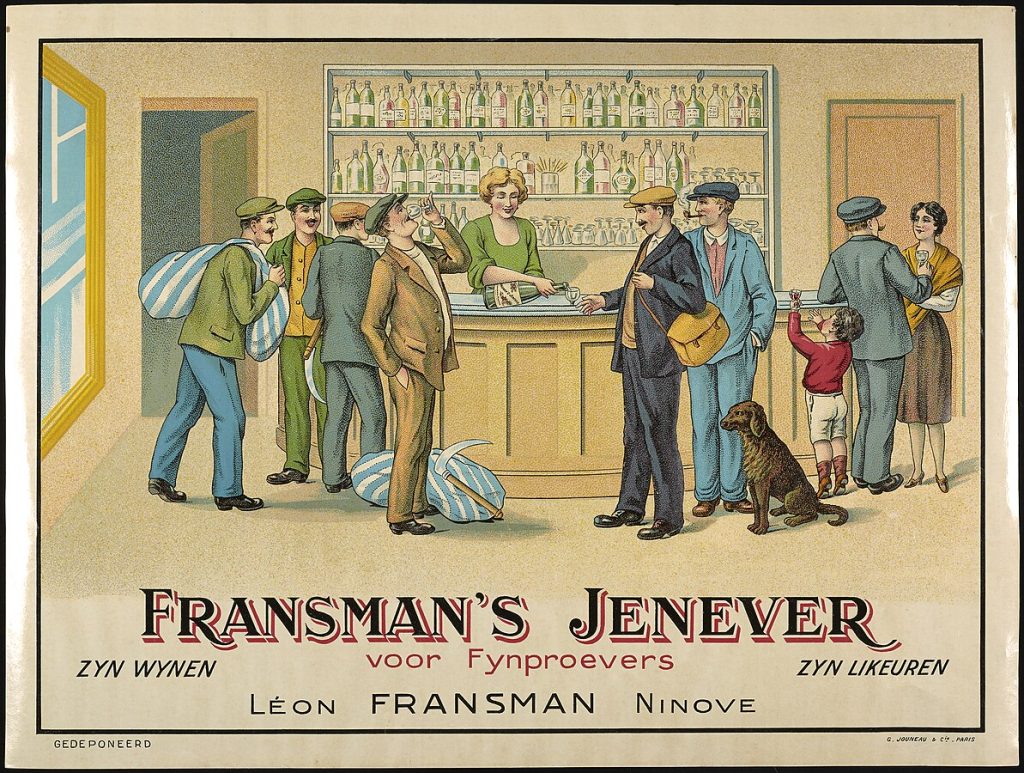
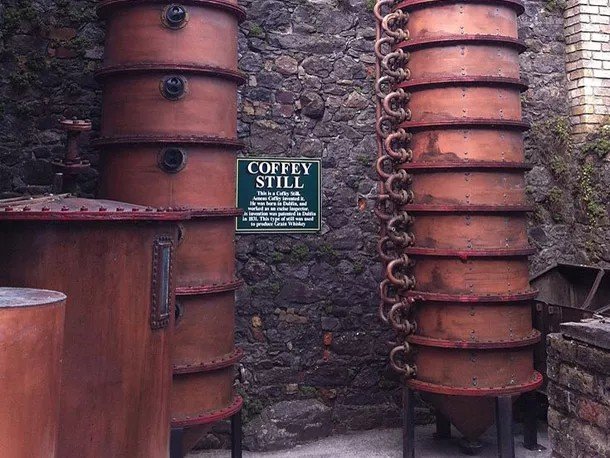
The 19th century marked the golden age of Belgian jenever. Industrialization brought new distillation technologies, including the column still (also called the Coffey still), which allowed for more efficient and consistent production. Family distilleries proliferated across Flanders and Wallonia, with many towns boasting multiple producers. By the late 1800s, Belgium was home to thousands of small distilleries, each serving local communities with their own house styles.
The world wars of the 20th century devastated the industry. Grain shortages, occupation, and economic disruption forced many distilleries to close. The post-war period saw further consolidation as changing tastes and international spirits like whisky and vodka captured market share. From thousands of producers in 1900, the number dwindled to just a few dozen by the late 20th century.
However, the 21st century has witnessed a modest renaissance. European Union protected designation status, granted in 2008, has helped preserve traditional production methods. A new generation of craft distillers has emerged, combining traditional techniques with innovative approaches. Organizations like the Belgian Jenever Guild work to promote the spirit and educate consumers about its heritage.
Belgian Jenever vs. Dutch Jenever
While Belgian and Dutch jenever share common roots and are covered by the same EU regulations, subtle but important differences distinguish the two traditions.
Belgian jenever tends to be slightly lighter and more delicate than its Dutch counterpart. Belgian distillers often use a higher proportion of wheat in their grain bills, contributing to a smoother, less assertive malt character. The botanical profiles also tend toward greater subtlety, with Belgian producers generally using a lighter hand with juniper and other aromatics.
Dutch jenever, particularly the oude (old) style, typically features a more pronounced malt wine character with deeper, richer flavors reminiscent of whisky. The moutwijn content in Dutch oude jenever can be very high, sometimes exceeding 50% of the final blend, creating a spirit with substantial body and complexity.
These differences reflect both regional taste preferences and historical commercial considerations. Belgian jenever developed in a market that also embraced French wines and spirits, potentially encouraging a more refined, less aggressive profile. The proximity to France and the historical influence of French culture in parts of Belgium may have shaped local palates differently than in the Netherlands.
Types and varieties of Belgian Jenever
Belgian jenever comes in several distinct categories, each defined by specific production requirements and characteristics.
Jonge Jenever (Young Jenever)
Despite its name, jonge jenever is not aged but rather refers to a “young” style developed in the 19th century with the advent of column stills. Jonge jenever must contain no more than 15% malt wine, with the remainder being neutral grain spirit. This results in a cleaner, lighter spirit where the botanical flavors are more prominent against a relatively neutral backdrop. Jonge jenever is typically clear and is appreciated for its smoothness and approachability. It’s often consumed chilled as a shot or used in cocktails.
Oude Jenever (Old Jenever)
Oude jenever represents the traditional style, containing at least 15% malt wine and often much more – 50% or higher is not uncommon. This category showcases the rich, grainy character of the moutwijn, creating a spirit with more body, complexity, and a slight sweetness from the malt. Oude jenever may be aged in oak barrels, developing amber hues and additional flavor notes of vanilla, caramel, and oak. Even unaged oude jenever has a fuller, more robust character than jonge varieties. This style is preferred by connoisseurs who appreciate the traditional character of jenever.
Graanjenever (Grain Jenever)
This is the purest expression of traditional jenever, containing 100% moutwijn with no addition of neutral spirits. Graanjenever must be distilled in pot stills at a relatively low proof (no higher than 80% ABV) to preserve the grain character. The result is an intensely flavored, full-bodied spirit that most closely resembles the jenever that would have been produced centuries ago. Graanjenever often undergoes oak aging, developing whisky-like characteristics. This category represents the premium end of Belgian jenever production.
Fruit Jenevers
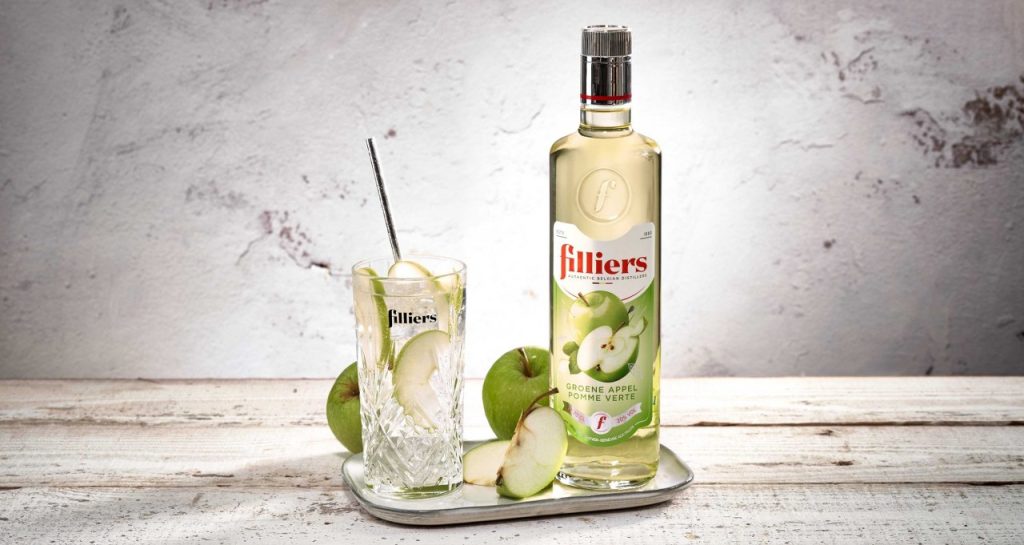
Belgium also produces a range of fruit jenevers, where jenever is infused with various fruits or fruit distillates. Common varieties include blackcurrant, lemon, orange, and apple. These flavored versions are popular as digestifs and appeal to drinkers who find straight jenever too strong. The fruit additions provide sweetness and aromatic complexity while maintaining the underlying jenever character.
Alcohol strengths
Belgian jenever is produced and sold at various alcohol strengths to suit different preferences and occasions. The minimum alcohol content for products labeled as jenever is 35% ABV, as specified by EU regulations, though many premium examples are bottled at higher strengths.
Jonge jenever is typically bottled between 35% and 40% ABV, making it comparable to most gins and vodkas. This moderate strength allows the delicate botanical flavors to shine without overwhelming the palate.
Oude jenever and graanjenever are often bottled at higher strengths, ranging from 38% to 50% ABV or even higher for some artisanal bottlings. The higher alcohol content supports the more intense malt flavors and, in aged expressions, helps extract more character from the oak barrels. Some historic-style jenevers and special releases may reach 53% ABV or beyond, appealing to enthusiasts seeking robust, uncompromising flavors.
The choice of strength also reflects intended consumption occasions. Lower-strength jenevers are suited to casual drinking and mixing, while cask-strength releases are meant for contemplative sipping, much like single malt whiskies or premium rums.
Production volumes through the decades
The production history of Belgian jenever is a story of dramatic rise, catastrophic decline, and modest recovery. While comprehensive statistics for the 19th century are limited, historical records indicate that Belgium had approximately 10,000 distilleries in operation around 1900, most of them small, family-run operations producing jenever for local consumption.
The early 20th century saw the beginning of consolidation. By 1950, the number of distilleries had fallen to around 500, though total production volumes remained significant as the surviving operations scaled up. The decades following World War II proved particularly challenging. Competition from international spirits, changing consumer preferences favoring lighter drinks like beer and wine, and regulatory pressures led to a steep decline.
By the 1980s, Belgium had fewer than 20 active jenever distilleries, and annual production had fallen dramatically. At this low point, jenever seemed destined to become a historical curiosity rather than a living tradition. Production volumes that had once been measured in millions of liters annually had shrunk to a fraction of their former levels.
The late 1990s and early 2000s brought the first signs of revival. Growing interest in craft spirits, heritage beverages, and local products created new opportunities for jenever. The granting of Protected Geographical Indication status in 2008 provided both protection and marketing advantages. As of the 2020s, Belgium has approximately 15-20 active jenever producers, ranging from traditional family distilleries to new craft operations.
Current production volumes are modest by international spirits standards but the trend is positive. Quality has largely replaced quantity as the industry focus, with producers emphasizing artisanal methods, premium ingredients, and the spirit’s heritage value. Export markets, particularly in neighboring countries and among spirit enthusiasts globally, have shown increasing interest.
Economic importance today
Belgian jenever’s economic footprint today is relatively modest but culturally significant. The spirit industry as a whole contributes substantially to Belgium’s economy, and jenever represents an important piece of this sector’s heritage component.
Direct employment in jenever production is limited, given the small number of distilleries and their often compact operations. However, the spirit supports a broader ecosystem including grain farmers, bottle and label manufacturers, tourism operations, hospitality venues, and export businesses. Many traditional Belgian cafés and bars maintain extensive jenever selections, and the spirit forms part of the country’s broader appeal to culinary and beverage tourists.
The economic value of jenever extends beyond direct sales. As a protected designation product, it enhances Belgium’s reputation for quality food and beverage production alongside Belgian beer, chocolate, and waffles. This contributes to the country’s soft power and cultural diplomacy efforts.
Major Belgian jenever brands with international presence
- Filliers – This is the most significant Belgian producer with substantial international reach. The Filliers distillery has been licensed since 1880 and is currently led by the fifth generation. They not only produce their own jenever but also manufacture malt wine for many Dutch brands. Their range includes barrel-aged expressions like the Filliers 12 Year Oude Graanjenever, as well as numerous fruit and flavored varieties.
- Smeets Distillery – Known for their Hasselt jenever and innovative flavored varieties including their Wafel Jenever.
- Wilderen – Produces traditional Graan Jenever that is appreciated by connoisseurs.
- Braeckman – Offers a wide range of traditional and flavored jenevers that have found distribution in international markets, particularly the UK. Their varieties include everything from traditional styles to fruit-flavored expressions.
- Rubbens – Known for their Goudwater Jenever which contains gold leaf, marketed particularly for special occasions.
- Stokerij De Moor and Stokerij Van Der Schueren – Both based in Aalst and still actively producing traditional jenevers.
- Stokerij Van Damme in Balegem (Oosterzele).

Hasselt: The Jenever Capital of Belgium
If any Belgian city can claim to be the heart of jenever culture, it is Hasselt in the Limburg province of Flanders. The city’s association with jenever stretches back centuries, and it has actively cultivated this identity as a defining characteristic.
Hasselt’s prominence in jenever production stems from several factors. The surrounding Limburg region provided abundant grain crops, essential for moutwijn production. The city’s position along important trade routes facilitated the import of botanicals and the export of finished spirits. Soft water from local sources proved ideal for distillation. By the 18th century, Hasselt had emerged as a major jenever center, with numerous distilleries operating within and around the city.
At its peak in the 19th century, Hasselt was home to dozens of distilleries and hundreds of jenever-related businesses. The spirit permeated every aspect of local culture and economy. Even as consolidation reduced the number of producers, Hasselt maintained its jenever identity. Today, while only a couple of distilleries remain in operation in the immediate area, the city fiercely guards its jenever heritage.
The city holds an annual Hasselt Jenever Festival, attracting thousands of visitors for tastings, educational sessions, historical demonstrations, and celebrations of jenever culture. The event has become an important tourism driver and a focal point for the broader Belgian jenever community.

Hasselt’s downtown features numerous cafés and bars specializing in jenever, many offering selections of dozens or even hundreds of different varieties from across Belgium. This concentration of jenever expertise makes the city a pilgrimage site for enthusiasts and a living laboratory of jenever appreciation.
The National Jenever Museum
The crown jewel of Hasselt’s jenever heritage is the Nationaal Jenevermuseum (National Jenever Museum), located in the city center. Established in 1987 in a restored 19th-century distillery, the museum tells the comprehensive story of jenever production, culture, and history.
The museum occupies the former Wijnants distillery building, a structure dating to 1803 that operated continuously until 1971. This authentic setting provides visitors with an immediate sense of connection to jenever’s industrial heritage. The original distillery equipment – including copper pot stills, fermentation vessels, and aging barrels – remains in place, allowing visitors to see exactly how jenever was traditionally produced.

Exhibits trace jenever’s evolution from medieval medicinal tonic to beloved national spirit. Display cases showcase antique bottles, labels, advertising materials, and drinking vessels from different eras. Interactive elements explain the science of distillation, the role of various grains and botanicals, and the differences between jenever styles. Multimedia presentations feature interviews with distillers, historical photographs, and footage of traditional production methods.
One of the museum’s most popular features is its working steam-powered distillery, which gives periodic demonstrations of traditional distillation techniques. The smell of cooking grain mash and juniper-laden vapor transport visitors directly into jenever’s production world. The museum also operates a tasting room where visitors can sample various jenever styles under expert guidance, learning to identify the characteristics of jonge, oude, and graanjenever.
The museum shop offers an extensive selection of Belgian jenevers, many of which are difficult to find elsewhere. It also stocks jenever-related books, glassware, and merchandise. The facility hosts special events, including masterclasses led by distillers, food pairing dinners, and seasonal celebrations.

Educational programs target both general audiences and specialists. School groups learn about fermentation science and local history through age-appropriate programming. Bartenders and hospitality professionals attend advanced seminars on jenever cocktails and service techniques. The museum has become an important resource for preserving and transmitting jenever knowledge to new generations.
Accommodation within walking distance of the museum: Boetiekhotel Hemelhuys | B&B Hotel Hasselt | Hotel De Groene Hendrickx
Additional topics of interest
Jenever in Belgian culture and tradition
Jenever occupies a unique place in Belgian social customs and traditions. The spirit features prominently in lifecycle celebrations, with certain occasions calling for specific jenever toasts. At weddings, births, and significant anniversaries, bottles of special jenever are sometimes buried or stored to be opened years later at another milestone.
Belgian jenever cocktails
While jenever is traditionally consumed neat, contemporary bartenders have embraced it as a cocktail ingredient. The spirit’s unique character – richer than gin but more approachable than whisky – makes it versatile in mixed drinks.
Classic Belgian jenever cocktails include the Kopstoot (literally “headbutt”), which pairs a shot of jenever with a beer chaser. The contrast between the spirit’s warmth and the beer’s refreshment creates a distinctive drinking experience. More elaborate cocktails like the Belgian Mule (jenever, ginger beer, and lime) and the Low Countries Collins (jenever, lemon, sugar, and soda) showcase the spirit’s mixability.


International cocktail competitions increasingly feature jenever categories, and innovative bartenders worldwide are experimenting with the spirit. This cocktail renaissance has introduced jenever to younger drinkers and created new demand, particularly for the lighter jonge styles.
Jenever and food pairing
Belgian cuisine makes excellent use of jenever both as a cooking ingredient and as a beverage pairing. The spirit appears in traditional dishes like stoofvlees (beef stew), where it adds depth and complexity to the sauce. Jenever-infused mustards and marinades are traditional preparations.
As a pairing beverage, jonge jenever complements seafood, particularly the North Sea shrimp and oysters beloved in Belgian coastal cuisine. The botanical notes harmonize with delicate fish preparations. Oude and graanjenever pair excellently with richer dishes, including game meats, aged cheeses, and hearty stews. The malty character of oude jenever makes it surprisingly compatible with chocolate desserts.
Jenever’s future prospects
The outlook for Belgian jenever is cautiously optimistic. The craft spirits movement has created space for heritage beverages to find new audiences. Younger consumers’ interest in authenticity, local products, and artisanal production aligns well with jenever’s strengths.
Challenges remain significant. The market for jenever within Belgium continues to age, and younger Belgians often prefer beer, wine, or international spirits. Competing for attention in crowded global spirits markets requires substantial marketing investment that small producers struggle to afford. Educational efforts are needed to overcome misconceptions – many potential consumers confuse jenever with gin or have never encountered it.
Nevertheless, several factors suggest a sustainable future. The number of craft distilleries is slowly growing. Export markets are expanding, with particular success in neighboring countries. Cocktail culture’s embrace of diverse spirits provides new consumption occasions. Tourism interest in authentic, place-based experiences drives visitors to jenever museums and distilleries.
Perhaps most importantly, Belgian jenever has proven its resilience. Having survived wars, economic upheavals, and decades of decline, the spirit endures because it represents something irreplaceable – a liquid connection to Belgian history, craftsmanship, and identity. As long as people value these qualities, jenever will continue to be distilled, shared, and celebrated in the towns and cities of Belgium.

I created Discovering Belgium in 2011 to share the country’s hidden stories, fascinating places, and remarkable people. Through articles, photography, and audio walks, I share discoveries that reveal Belgium beyond the obvious. Hope you enjoy this site.
I remember reading about this with great pleasure in Janwillen van der Wetering’s Grijpstra and de Gier novels.
Wat super names for both author and books!
Mmmm! Gin!
And here’s me thinking it was specifically Dutch! Still have a bottle of oude jenever somewhere which we brought back from one of our trips to Amsterdam – and didn’t really like. If the Belgian version is lighter and more delicate maybe I’d prefer it.